Help to Look for Before You Borrow: Bills, Food, Rent and Medical Costs
The cheapest loan is the one you don't need. A few phone calls can often cover part of the bill that's pushing you toward a payday lender.
This guide is general information for borrowers in the U.S., not financial or legal advice. Lending laws differ by state and change over time; check with your state's financial regulator or a nonprofit credit counselor about your situation.
Key points
- Dialing 211 connects you with local help for rent, utilities, food and other needs.
- Utility companies and the federal LIHEAP program can help with energy bills.
- Nonprofit hospitals must have financial assistance policies, so ask before paying a medical bill.
- Creditors often agree to a new due date or payment plan if you call before you miss a payment.
When a bill is due before your paycheck, a payday loan can feel like the only option. Often it isn’t. The goal here is simple: make the gap smaller, or close it, before you borrow anything.
Start with one call: 211
Dial 2-1-1 or visit 211.org to reach a local information line that connects people with help for rent, utilities, food, transportation and more. The specialists know which local charities, government programs and emergency funds have money available right now, which changes month to month.
Bills you can usually bend
| Bill | Where to ask | What’s often possible |
|---|---|---|
| Electric, gas, water | Your utility’s customer service | Payment plans, due-date changes, hardship programs |
| Heating and cooling | Your state’s LIHEAP office | One-time help paying energy bills for eligible households |
| Medical bills | The hospital’s billing or financial assistance office | Discounts or free care under the hospital’s financial assistance policy |
| Rent | Your landlord, then local rental assistance programs | Partial payment plans, emergency rental help |
| Phone and internet | Your provider | Payment arrangements; low-income discount plans |
| Credit cards and loans | Your lender | Hardship programs, lower minimum payments, a new due date |
Nonprofit hospitals are required by federal tax rules to have a written financial assistance policy and to make it available to patients. Ask for an application before you put a medical bill on a high-cost loan.
Free up cash for groceries
- SNAP helps eligible households buy food, and WIC serves pregnant women, new mothers and young children.
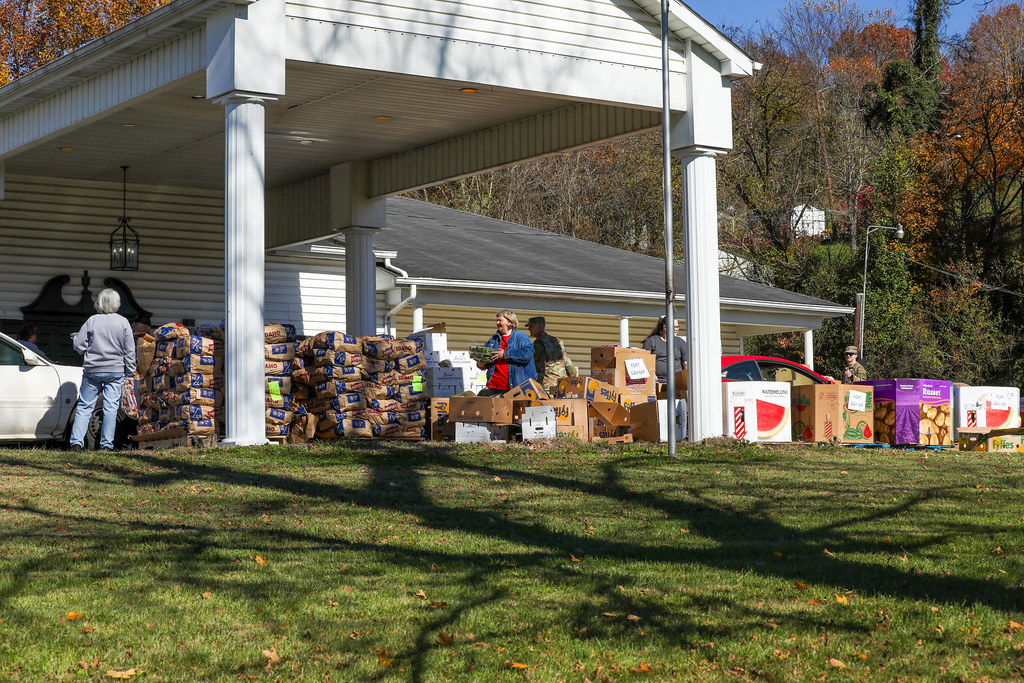
- Food banks and pantries can fill the gap this week; 211 or a food bank locator can point you to the nearest one.
- School meal programs may provide free or reduced-price meals for children.
Call creditors before the due date
Lenders and billers have more flexibility before an account is late. Explain what happened, propose what you can pay and when, and ask them to confirm any new arrangement in writing.
Helpful step
Write down who you spoke to, the date and what was agreed. If the arrangement isn’t honored, you’ll have the details ready for a complaint.
Other places to look
- Your employer may have a hardship fund or a free pay-advance option.
- Military families can turn to their branch’s relief society for interest-free loans and grants; see the Military Lending Act for more.
- Nonprofit credit counselors can review your budget for free and talk through options.
- Free tax help through the IRS’s VITA program can make sure you claim credits such as the Earned Income Tax Credit.
If you still need to borrow after all that, borrow less and borrow cheaply: compare credit union payday alternative loans and small loans from banks before considering a payday loan.
Common questions
Do I have to be unemployed to get help?
No. Many programs are based on income and household size, and plenty of working households qualify for help with food, energy bills or medical costs.
Is credit counseling free?
Many nonprofit credit counseling agencies offer free or low-cost budget counseling. Be wary of companies that charge large upfront fees or promise to settle your debts for pennies on the dollar.
Will asking a creditor for more time hurt my credit?
Asking doesn't. Missing a payment can. An agreed plan is usually far better for your credit than a payment that goes unpaid.