How to Stop a Payday Lender From Taking Money From Your Bank Account
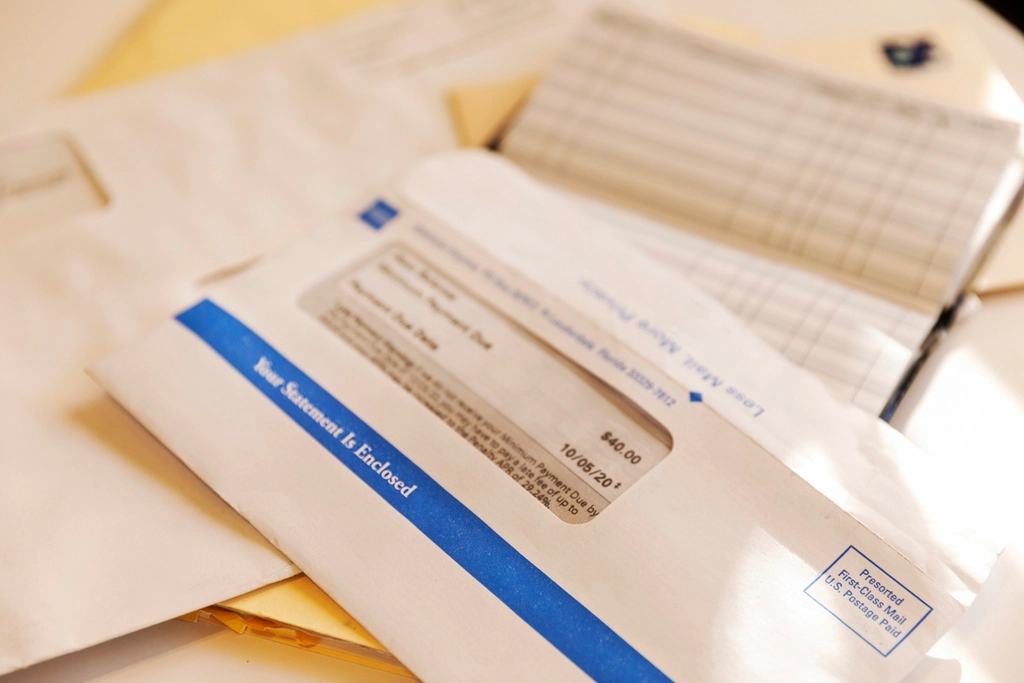
You have the right to stop automatic withdrawals from your account. Doing it doesn't erase the debt, but it puts you back in control of when and how you pay.
This guide is general information for borrowers in the U.S., not financial or legal advice. Lending laws differ by state and change over time; check with your state's financial regulator or a nonprofit credit counselor about your situation.
Key points
- You can revoke a lender's authorization to debit your account by telling the lender and your bank.
- For recurring withdrawals, tell your bank at least three business days before the scheduled date.
- If a lender withdraws money after you've revoked permission, dispute it with your bank promptly.
- Stopping withdrawals doesn't cancel the loan, so contact the lender about a repayment plan.
Most payday lenders ask for access to your bank account, either by electronic debit (ACH) or with a post-dated check. That access is what makes the loan easy to collect, and it’s also how borrowers end up with a string of overdraft fees when a lender keeps trying to withdraw money that isn’t there.
Step 1: Tell the lender in writing
Send the lender a letter or email saying you’re revoking authorization for electronic withdrawals from your account. Include your name, loan number and account details, and keep a copy. Check your loan agreement for the method it says to use.
Step 2: Tell your bank
Under federal rules for recurring electronic transfers, you can stop a scheduled payment by notifying your bank at least three business days before the transfer is due. You can call, but the bank may ask you to confirm in writing within 14 days. Ask the bank to block future withdrawals by that lender, and ask what it charges.
Helpful step
Use the exact name that appears on your bank statement for the lender’s past withdrawals. Online lenders often use a different processing name, and a block on the wrong name won’t work.
Step 3: Watch your statements
If the lender takes money after you’ve revoked permission, report it to your bank as an unauthorized transfer right away, and in any case within 60 days of the statement that shows it. Federal rules require the bank to investigate.
The federal payment rule
A Consumer Financial Protection Bureau rule covering payday and some other high-cost loans took effect on March 30, 2025. Under it, if a lender’s attempts to withdraw a payment fail twice in a row because of insufficient funds, the lender generally can’t try again without your new authorization. Lenders also have to send notices before certain withdrawals. The CFPB has since said enforcing the rule isn’t a priority, so use the steps above rather than relying on it alone.
Step 4: Deal with the debt itself
Stopping withdrawals doesn’t cancel what you owe. Contact the lender and propose a payment you can afford. Some states require lenders to offer an extended payment plan without extra fees; see payday loan laws by state.
If the debt goes to a collection agency, you have rights there too: here’s how collection rules work and how to spot fake collectors.
A word on bank fees
If a lender’s repeated attempts already triggered several overdraft or returned-payment fees, ask your bank to refund them. Banks often agree to waive some fees, especially for customers who explain what happened and have taken steps to stop it.
Common questions
Will my bank charge me to stop a payment?
It might. Many banks charge a stop-payment fee. Ask first, and compare it with the overdraft or returned-payment fees you're trying to avoid.
Should I close my bank account?
Usually only as a last resort. Closing an account with a negative balance can lead to collections and make it harder to open a new account. Revoking authorization and stopping payment are better first steps.
What if I gave the lender a post-dated check?
You can ask your bank to stop payment on a check. A written stop-payment order on a check generally lasts six months, and you can renew it.